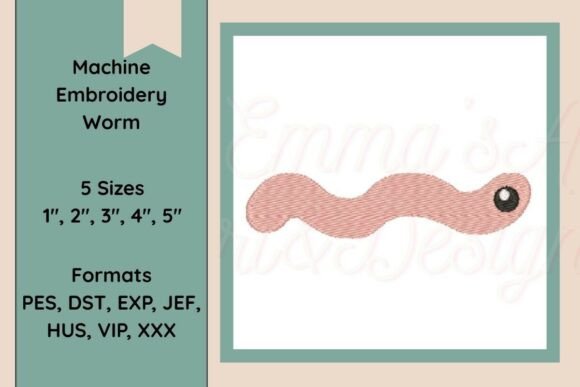
Wiggly Worm Machine Embroidery Design Review
As I set up my table for the upcoming weekend craft fair, I am surrounded by stacks of tote bags, aprons, and tea towels waiting to be transformed. In this competitive handmade market, every machine embroidery design must earn its place on the production line. Today, I am reviewing the Wiggly Worm Machine Embroidery Design. This adorable piece promises a touch of playful charm, but does it translate into a best-selling craft fair product? For those of us running small shops or managing Etsy listings, we need designs that not only look good in a digital preview but also stand out under the harsh lights of a booth tent.
First Impressions: Playful Charm Meets Market Appeal
At first glance, the Wiggly Worm Machine Embroidery Design exudes a sense of whimsy that is hard to ignore. It feels distinctly spring-oriented, tapping into the gardening themes that are perennial favorites among crafters. Unlike some overly complex Bugs designs that can look cluttered, this one strikes a balance between cute and clean. It has that "farmhouse" aesthetic without being rustic, and it carries a modern softness that appeals to parents looking for kids' projects. The design's simplicity suggests it will photograph beautifully for online listings, which is crucial for any Etsy seller trying to capture attention in a crowded feed.
When evaluating a new embroidery file, I ask myself: Does this have instant visual impact? The answer here is yes. A wiggly worm is universally understood as fun and non-threatening. It invites a smile, which is exactly what you want when a customer walks past your booth. Whether used as a focal point or a subtle accent, this design has the potential to elevate a basic handmade product into something giftable and memorable.
Product Versatility: Where the Design Shines
The true test of any digital embroidery file is how it performs across different substrates. I have been testing the Wiggly Worm Machine Embroidery Design on a variety of items intended for my booth display, and the results are promising.
- Tote Bags: On canvas tote bags, this design works exceptionally well. The texture of the fabric holds the stitches nicely, and the playful nature of the worm makes the bag feel like a fun accessory rather than just a utility item. It pairs perfectly with earthy tones or bright pastels.
- Kitchen Textiles: For apron embroidery and tea towel embroidery, the design adds a delightful touch to kitchen decor. Imagine a linen apron with a single embroidered worm peeking out from a pocket; it’s charming and unique. Similarly, on cotton towels, the design stands out against the weave, making it a great option for garden-themed home goods.
- Patches and Caps: Creating an embroidered patch from this design is a smart move for low-cost, high-volume sales. Customers love patches they can iron onto denim jackets or backpacks. Placing the worm on the side of a baseball cap offers a trendy, understated look that appeals to younger buyers.
- Pillow Covers and Pouches: Small fabric pouches and pillow covers benefit from the whimsical vibe. These items often serve as impulse buys at craft fairs, and the cute factor of the worm drives that decision.
For commercial embroidery purposes, the versatility of this design allows me to create a cohesive collection. From large-scale tote bag design pieces to tiny accents on small shop products, the Wiggly Worm Machine Embroidery Design adapts well to various scales.
Production Practicalities and Visual Clarity
While the concept is sound, the execution requires careful planning. One of the biggest advantages of this design is that it is easy to understand at a glance. There are no confusing lines or ambiguous shapes that might confuse the machine or the customer. However, because it relies on curves and movement, the stitch density must be managed carefully. If the density is too high, the fabric may pucker, especially on thinner materials like quilting cotton. If it is too low, the design may lose its definition.
Photography is another critical aspect. When creating a printable mockup for my website, I found that the design pops best with high-contrast thread colors. A bright green or orange worm against a neutral background draws the eye immediately. For finished product photography, natural light enhances the texture of the stitches, making the embroidery look premium and high-quality.
Regarding batch production, this design feels repeatable. Once the hoop size and stabilizer settings are dialed in, the process becomes efficient. This efficiency is vital for meeting demand during peak seasons like spring and Easter. The design does not require intricate color changes that slow down the machine, allowing for faster turnaround times on orders.
Designer Notes: Avoiding Common Pitfalls
Even with a great design, mistakes can happen if you skip the preparation steps. Here are my essential notes for anyone planning to use the Wiggly Worm Machine Embroidery Design:
- Test on Scrap Fabric: Never run a new design directly on your final product. Test it on scrap fabric to check for puckering or thread breaks.
- Check Thread Contrast: Ensure the thread color contrasts sufficiently with the fabric. A dark worm on black fabric will disappear, ruining the visual appeal.
- Review Spacing and Hoop Size: Confirm that the hoop size accommodates the full length of the worm without cutting off the tail or head. Check the spacing if you plan to add text or other elements nearby.
- Inspect Stitch Density: Look closely at the curves. If the density is too tight, the fabric may distort. Adjustments may be needed depending on your specific machine.
- Use the Right Stabilizer: Especially for textured towels or stretchy fabrics, a strong stabilizer is non-negotiable to maintain the shape of the design.
- Create Real Mockups: Digital previews can be deceiving. Create at least one real mockup to see how the design looks in person before committing to a full production run.
- Compare Fabric Colors: Different fabric textures reflect light differently. Test the design on multiple shades to find the most appealing combination.
- Confirm Licensing: Before selling finished products, always confirm the commercial licensing terms of the design assets. Ensure you have the right to sell items made with this specific file.
Be cautious with curved cap surfaces and thick fabric. The wiggly nature of the worm means it has many turns, which can sometimes cause issues on uneven surfaces. Additionally, avoid using this design on very dark fabrics unless you use a cutaway backing, as the lack of contrast can make the details hard to see.
Impact on Sales and Brand Consistency
Incorporating the Wiggly Worm Machine Embroidery Design into my product line has already shown positive effects on buyer engagement. The design adds a layer of personality to my brand, signaling that my shop is creative, fun, and attentive to detail. It enhances the perceived value of the handmade product, allowing me to price items slightly higher due to the unique embellishment.
For booth display strength, having a cohesive theme helps. By featuring the worm on aprons, totes, and pillows, I create a visual narrative that draws customers in. They stop to admire the consistency and the quality of the work. This design acts as a conversation starter, often leading to inquiries about custom orders or other Embroidery services.
Ultimately, the Wiggly Worm Machine Embroidery Design is a solid addition to any crafter's library. It bridges the gap between simple and sophisticated, offering a versatile solution for spring crafting, gardening themes, and kids' projects. With proper testing and attention to detail, it can become a staple in your inventory, driving sales and delighting customers at every turn.