Bee Daisy Flower Embroidery Design Review
As a designer who has spent years curating machine embroidery design libraries for both personal craft and commercial clients, I approach every new file with a critical eye. The market is flooded with generic assets, so finding a piece that truly translates from screen to fabric without issues is a relief. Today, I am evaluating the Bee Daisy Flower Embroidery Design. On paper, it promises a cute, bright, and cheerful touch, but does it hold up under the scrutiny of real-world application? Let's dig into how this design performs when you move beyond the digital preview and start stitching.
First Impressions: Mood and Visual Personality
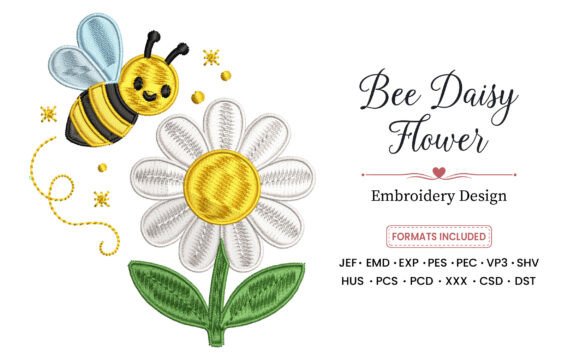
The moment you load the Bee Daisy Flower Embroidery Design into your software, the vibe is immediately clear. It leans heavily into a whimsical, nostalgic aesthetic. The combination of a daisy and a bee is a classic motif in the Bugs category, but the execution here feels fresh rather than cliché. The layout suggests a balanced composition where the flower provides a soft, organic anchor while the bee adds a dynamic element of movement.
Visually, the design relies on clean lines and distinct shapes. This is crucial for Embroidery projects intended for small business merchandise or boutique branding. If the lines are too thin, they can disappear on textured fabrics; if they are too thick, the detail gets lost. In this case, the proportions seem well-suited for a variety of scales. It evokes a sense of springtime joy, making it an ideal candidate for seasonal collections, nursery decor, or summer-themed apparel. However, the true test lies not in how it looks on a monitor, but in how it stitches out on actual material.
Real-World Application: From Tote Bags to Baby Gear
I recently considered using this design for a line of custom embroidered tote bags for a local craft fair. The goal was to create a handmade product that felt high-quality yet accessible. When visualizing the Bee Daisy Flower Embroidery Design on a canvas tote, the brightness of the daisy petals contrasts beautifully against natural linen or cream cotton. The bee acts as a focal point that draws the eye immediately, ensuring the bag stands out on a crowded table.
Another strong use case is custom apparel, particularly sweatshirts and t-shirts. For a sweatshirt embroidery project, placing this design on the chest pocket area creates a charming, casual look. The rounded nature of the daisy works well with the curves of the garment. Furthermore, this design is exceptionally versatile for baby embroidery. Imagine it stitched onto a onesie, a bib, or a receiving blanket. Parents love items that feel cheerful and gentle, and this design hits that mark perfectly. It transforms a standard personalized gift into something special without looking overly complicated or intimidating.
For the Etsy seller or small shop owner, versatility is key. You could adapt this embroidered patch concept for hats, aprons, or even pillow covers. The design's simplicity means it doesn't overwhelm smaller surfaces like caps, provided the hoop size is appropriate. It also works well as a decorative accent on kitchen towels or tea towels, adding a touch of personality to home goods. In a commercial setting, having a reliable asset like this allows you to quickly mock up products and get them to market faster.
Navigating Challenges: Fabric and Density Considerations
While the Bee Daisy Flower Embroidery Design is robust, it is not immune to the common pitfalls of machine embroidery. As a professional reviewer, I must highlight areas where caution is required. First, consider the stitch density. If the fill stitch areas are too dense, the design may pucker on thinner fabrics like lightweight cotton or silk. Always test the design on scrap fabric first to ensure the tension is correct and the back of the work looks clean.
Fabric texture plays a significant role here. On highly textured materials like denim or heavy wool, the fine details of the bee's wings might get lost. Conversely, on very stretchy fabrics like jersey knit, the design could distort if the wrong stabilizer is used. I strongly recommend using a cut-away stabilizer for stretchy items to maintain the shape of the daisy and the bee over time. Additionally, avoid placing this design on dark fabrics without checking the thread colors. A light-colored daisy on black fabric requires careful color selection to ensure visibility and prevent the "halo" effect where white thread bleeds through.
Curved surfaces, such as the front panel of a cap, present another challenge. The flat nature of the design needs to be tested to ensure it wraps around the curve without distorting the bee's posture. If the design includes tiny lettering or intricate corners, these are the first places to fail during stitching. Inspect the running stitch outlines closely; if they are too delicate, they might break or fray after washing. For products that need frequent laundering, such as baby clothes or kitchen linens, durability is non-negotiable.
Strategic Advice for Designers and Business Owners
If you are planning to integrate the Bee Daisy Flower Embroidery Design into your workflow, follow these practical steps to ensure success. Start by reviewing the hoop size requirements. Does it fit within your standard 4x4 or 5x7 hoops? Knowing this helps you plan your production flow. Next, check the thread colors suggested in the file. While the default palette is likely vibrant, don't hesitate to customize it to match your brand identity or a specific client request.
Before committing to a full run of commercial embroidery, create a printable mockup to visualize the finished product. Test the design in black and white to assess contrast levels before worrying about color. This step is vital for maintaining brand consistency across different product lines. Also, verify the licensing terms. Are you allowed to sell the finished items? Can you resell the digital embroidery file? Understanding these boundaries protects your business and ensures you remain compliant with intellectual property rights.
Finally, remember that the value of a finished product often comes down to presentation. A well-executed tote bag design or holiday embroidery item can command a higher price point if the stitching is crisp and the placement is intentional. Use this design to elevate your offerings, but always prioritize quality control. By testing thoroughly and choosing the right materials, you can turn this cheerful embroidery file into a bestseller for your craft business.