Summer Woman Line Art Embroidery Design Review
As I set up my booth for the upcoming weekend craft fair, the table is a chaotic mix of fabrics, hoops, and half-finished samples. The goal is simple: create a collection that stops people in their tracks. Today, I am putting the Summer Woman Line Art Embroidery Design through its paces to see if it belongs in my final product lineup. This isn't just about loading a file into a machine; it is about evaluating whether this specific machine embroidery design translates into a sellable handmade product that commands attention in a crowded market.
First Impressions: Minimalist Charm Meets Seasonal Appeal
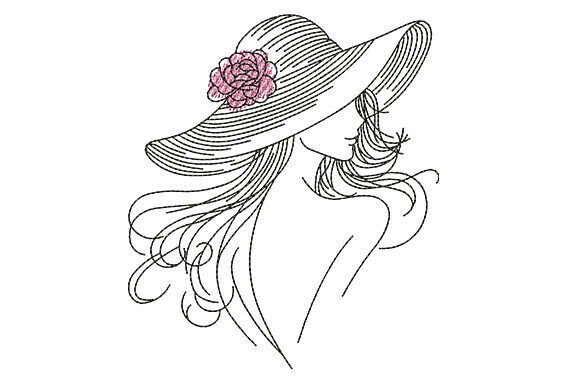
The moment I open the digital embroidery file, the aesthetic is clear. The title suggests a blend of seasonal warmth and modern simplicity. In a world often cluttered with heavy floral patterns or dense text, a line art approach feels fresh and intentional. For an Etsy seller or boutique maker, this style signals "effortless chic." It does not scream for attention with neon thread colors but rather invites the customer closer to appreciate the delicate lines. When visualizing this as a craft fair product, I immediately think of light linens, natural cottons, and pastel tones that evoke the feeling of a breezy afternoon.
The design's minimal nature makes it versatile. It avoids the trap of looking dated quickly because line art tends to age better than trend-specific illustrations. However, the challenge lies in execution. A line art piece relies entirely on stitch precision. If the stitch density is off, the lines can break or look muddy, ruining the premium feel. As I prepare to test this, I am mindful that the finished product must look crisp from three feet away, which is the average distance a shopper stands at a booth.
Product Placement: Where Does This Design Shine?
Not every embroidery file works on every item. Based on the dimensions provided—specifically the 3.00 x 2.72 inch size—I have identified several key applications where the Summer Woman Line Art Embroidery Design will perform best.
- Tote Bags: This is arguably the strongest candidate. Placing the design near the bottom corner of a sturdy canvas tote creates a balanced, branded look. It acts as a subtle signature rather than a giant billboard. For a tote bag design, the linear quality complements the texture of the fabric without overwhelming it.
- Kitchen Textiles: Tea towels and aprons are staples for handmade markets. The tea towel embroidery potential here is high, especially on textured weaves where the contrast between the thread and the fabric adds depth. An apron embroidery placement on the bib area offers a focal point that feels personal and artistic.
- Embroidered Patches: Given the compact size, turning this into an embroidered patch is a smart move. Customers love patches for denim jackets, backpacks, and hats. The clean lines of the Summer Woman design will hold up well when backed with iron-on adhesive, making it a low-risk, high-reward add-on item.
- Pillow Covers and Caps: While pillow covers offer a large canvas, the small size of this design might require repetition or pairing with other elements to fill the space effectively. On caps, the curved surface is tricky; the hoop size must be perfect to avoid puckering around the brim.
Production Reality: Stitching, Stabilizers, and Fabric Texture
Before I commit to a batch run for the weekend, I need to address the practicalities. The description notes a stitch count of 3130 stitches, which is relatively low. This is excellent for speed and cost-efficiency, allowing me to produce more units in less time. However, lower stitch counts in line art can sometimes mean thinner lines that might disappear on dark or thick fabrics.
I will be testing the Summer Woman Line Art Embroidery Design on scrap fabric first. Here are my critical checks:
- Fabric Choice: Smooth, medium-weight cottons are ideal. Highly textured towels might hide the fine details of the line art. If using a thick canvas for a tote, I must ensure the needle penetrates cleanly without skipping stitches.
- Stabilizer Selection: This is non-negotiable. Line art requires a stable foundation. I will use a tear-away stabilizer for woven fabrics and a cut-away for stretchy knits to prevent the lines from distorting after washing.
- Thread Contrast: To make the design pop, I need high contrast. A dark thread on a cream background or a soft metallic on navy blue could elevate the perceived value of the small shop product.
- Hoop Size: With a height of roughly 3 inches, a 5x7 hoop should suffice, but I need to ensure the design is centered perfectly within the hoop to avoid trimming errors.
One cautionary note: do not attempt to resize this design significantly smaller. Line art loses clarity when shrunk, and tiny details may merge into a blob. Stick to the original 3.00 x 2.72 inch dimension or slightly larger to maintain the integrity of the artwork.
Selling Strategy: Visual Appeal and Customer Engagement
In a physical booth, lighting and presentation are everything. The Summer Woman Line Art Embroidery Design photographs beautifully, which is crucial for my online store and social media marketing. When creating a printable mockup for Etsy listings, the clean lines render sharply against digital backgrounds, making the listing look professional and high-end.
For the craft fair, I plan to display these items in a way that highlights the craftsmanship. A stack of tea towels with the design embroidered in a single, bold color creates a strong visual rhythm. Customers often gravitate toward items that look unique yet cohesive. This design fits the "modern farmhouse" and "minimalist boho" trends that are currently dominating the handmade market.
Furthermore, the versatility of the included file formats—PES, DST, EXP, HUS, JEF, CSD, XXX—means I can run this on almost any commercial embroidery machine I encounter if I were outsourcing part of the production. This flexibility ensures that supply chain issues won't stop me from fulfilling orders.
Final Verdict: A Strong Contender for Your Collection
After reviewing the specs and visualizing the application, the Summer Woman Line Art Embroidery Design earns a spot in my summer collection. It strikes the right balance between artistic appeal and production efficiency. It is not overly complex, reducing the risk of thread breaks during long runs, yet it is distinctive enough to stand out among generic floral designs.
However, success depends on the maker. You must respect the limitations of line art. Do not force it onto unsuitable fabrics, and always prioritize a good stabilizer. If you are a creative entrepreneur looking to expand your commercial embroidery offerings with something that feels curated and thoughtful, this design asset is a solid investment.
Remember to verify your licensing terms before selling finished products. Whether you are selling one-off custom pieces or a full line of handmade gifts, ensuring you have the right rights protects your business. With careful execution, this design has the potential to become a signature piece for your brand, drawing customers in with its quiet confidence and seasonal charm.