Floating Duck Embroidery Design Review
As I set up my table for the upcoming weekend craft fair, I am surrounded by stacks of tote bags, aprons, and tea towels waiting to be transformed. In this competitive handmade market, every machine embroidery design must earn its place on the production line. Today, I am reviewing the Floating Duck Embroidery Design, a digital file promising a sweet duck gently resting on water. Before I commit hours of machine time to batch production, I need to determine if this piece will stop shoppers in their tracks or simply blend into the background.
First Impressions: A Calm Charm for Nursery and Home
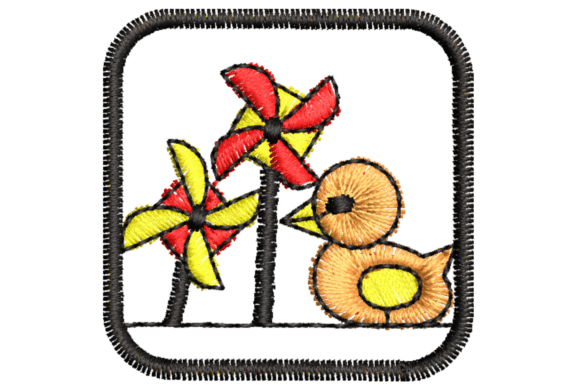
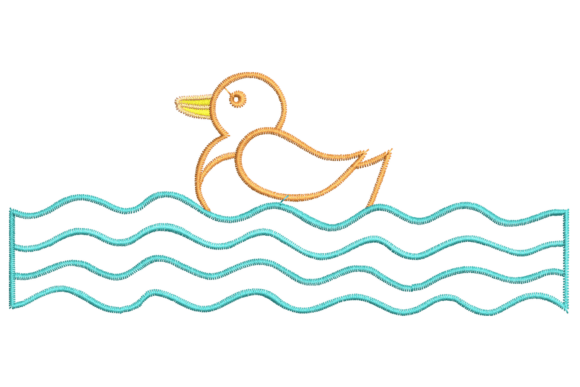
The moment I load the preview of the Floating Duck Embroidery Design, the mood is immediately clear. This is not a bold, graphic statement piece; it is soft, rustic, and undeniably cute. The concept of a duck floating on water creates a serene visual that fits perfectly within the current trends for nursery décor and farmhouse-style home goods. For an Etsy seller or a boutique maker targeting parents and new homeowners, this design hits a specific emotional note. It feels gentle and approachable, lacking the aggression of modern geometric patterns but offering more character than simple monograms.
In the Animals category of Embroidery, ducks are a perennial favorite, yet they often suffer from being overused. What makes this specific design stand out is the implied motion of the water and the relaxed posture of the bird. It suggests a peaceful afternoon rather than a chaotic pond scene. When I visualize this on a finished product, I see potential for high engagement. Customers browsing for baby items or kitchen accents often look for designs that tell a quiet story, and this file delivers exactly that.
Product Performance: Where the Design Shines
When planning a booth display, I categorize my inventory by where the design performs best. The Floating Duck Embroidery Design is exceptionally versatile, but it excels on specific substrates. On a natural cotton tote bag design, the soft curves of the duck and the water ripples create a lovely texture that invites touch. Similarly, as an apron embroidery motif, it adds a whimsical touch to kitchen wear without overwhelming the wearer.
I am particularly excited about using this for tea towel embroidery. Kitchen linens are a staple for craft fairs, and a charming duck floating near the hemline or centered on a folded towel acts as a perfect conversation starter. For smaller items, such as an embroidered patch or a small fabric pouch, the design holds its shape well enough to remain recognizable. Even on curved surfaces like caps, the organic lines of the water can adapt better than rigid text or sharp angles.
However, the true value lies in its ability to elevate a basic item into a premium handmade product. A plain pillow cover becomes a gift-worthy item with this design stitched in the center. For those creating commercial embroidery products, the versatility allows you to target multiple niches simultaneously: the baby shower crowd, the home decor enthusiast, and the outdoor lover.
Practical Production Considerations for Batch Runs
Before I begin stitching hundreds of units, I must evaluate the technical aspects of the digital embroidery file. The most critical factor is stitch density. Designs that feature water or fur-like textures can sometimes become too dense, leading to puckering on lightweight fabrics like muslin or linen. If the Floating Duck Embroidery Design has heavy fill stitches in the water area, I will need to test it on scrap fabric first to ensure the final result remains flat and flexible.
Hoop size is another variable to confirm. While the description suggests it works for various items, I need to verify the dimensions to ensure it fits within standard 5x7 or 6x10 hoops commonly used for small shop product manufacturing. If the design is too large for a cap brim or a small pouch, it may require resizing, which can distort the delicate details of the duck's feathers or the water ripples. Always check the file specifications before committing to a bulk order.
Furthermore, consider the thread colors. A white duck on a white towel might get lost unless the contrast is managed carefully with a different shade of blue for the water. Conversely, on dark fabrics, the lightness of the duck could pop beautifully, provided the stabilizer is adequate to prevent show-through. Testing on different fabric texture samples is non-negotiable. Textured towels can sometimes hide fine details, so I would advise increasing the stitch count slightly or simplifying the smallest elements if clarity is lost.
Visual Appeal and Customer Engagement at the Fair
In a crowded craft fair environment, your booth needs to communicate quality instantly. The Floating Duck Embroidery Design offers a "soft sell" appeal. Unlike loud logos, this design draws people in with its charm. When displayed on a printable mockup alongside real samples, it helps customers visualize the end result quickly. I recommend creating a dedicated section of your booth featuring this design across different mediums—a towel, a bag, and a patch—to demonstrate its range.
This variety increases the perceived value of your finished product. A customer who likes the design on a towel might also buy a matching tote bag, increasing your average order value. Consistency is key for brand building; using this design across multiple categories creates a cohesive look that makes your booth memorable. The calming nature of the image also aligns well with the relaxing atmosphere many shoppers seek at handmade markets.
Designer Notes: Ensuring Quality and Compliance
To guarantee success, follow these essential steps before launching your Floating Duck Embroidery Design collection:
- Test on Scrap Fabric: Never skip the test run. Stitch the design on the exact material you plan to sell to check for puckering and thread tension.
- Check Thread Contrast: Ensure the duck stands out against the background fabric. Use contrasting thread colors for the water to define the scene.
- Review Spacing and Hoop Size: Confirm the design fits your intended product dimensions without crowding edges or seams.
- Inspect Stitch Density: If the design feels too thick, reduce the density in your software to maintain fabric drape, especially for items like tea towel embroidery.
- Use the Right Stabilizer: Heavyweight stabilizers are crucial for textured towels and stretchy fabrics to keep the design crisp.
- Create Real Mockups: Photograph actual stitched samples for your online listings. Real photos build trust better than digital renderings.
- Confirm Licensing: Before selling any craft fair product or listing on Etsy, ensure your license allows for commercial use of the design assets. Do not assume personal licenses cover sales.
The Floating Duck Embroidery Design is a strong contender for a successful seasonal collection. Its charm, versatility, and broad appeal make it a valuable addition to any embroidery business owner's portfolio. By paying attention to production details and presenting it strategically, you can turn this simple digital file into a top-selling item that brings joy to customers and revenue to your shop.